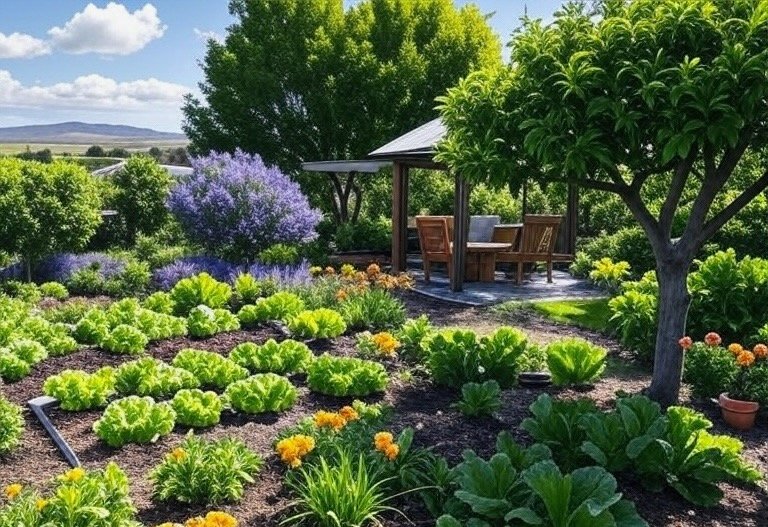
As the crisp chill of winter fades in North Canterbury, New Zealand, the promise of spring brings excitement for gardeners. With its unique microclimate, fertile soils, and vibrant growing conditions, North Canterbury is a gardener’s paradise.
Preparing your garden for spring is essential to ensure a lush, thriving outdoor space. Whether you’re a seasoned green thumb or a budding enthusiast, this guide will walk you through practical, region-specific steps to get your garden ready for a spectacular spring. Let’s dig in!
Why Spring Garden Prep Matters in North Canterbury
Spring in North Canterbury brings warming temperatures, longer daylight hours, and occasional rain showers – perfect conditions for planting and growth. However, the region’s coastal winds and variable soil types, from clay-heavy to sandy loam, mean preparation is key to maximizing your garden’s potential. By starting now, you’ll set the stage for vibrant blooms, bountiful harvests, and a healthy ecosystem.
This article covers essential tasks like soil preparation, plant selection, pest management, and sustainable practices tailored to North Canterbury’s unique environment. Let’s explore how to transform your garden into a springtime masterpiece.
1. Assess and Refresh Your Soil
Healthy soil is the foundation of a thriving garden. North Canterbury’s soils vary widely, so understanding your garden’s soil type is crucial. Start by testing your soil’s pH and nutrient levels with a home testing kit or by sending a sample to a local agricultural service. Most plants thrive in slightly acidic to neutral soil (pH 6.0–7.0).
Steps to Prep Your Soil:
- Clear Debris: Remove winter weeds, fallen leaves, and dead plants to prevent pests and diseases.
- Aerate and Turn: Use a garden fork to loosen compacted soil, especially in clay-heavy areas like Waipara or Amberley. This improves drainage and root growth.
- Add Organic Matter: Incorporate compost, well-rotted manure, or green cover crops like clover to boost fertility.
- Mulch for Moisture: Apply a layer of organic mulch, such as bark or straw, to retain moisture and suppress weeds. This is especially important in North Canterbury’s windy conditions.
Pro Tip: Consider planting a green manure crop like lupin or mustard now to enrich the soil before spring planting. Cut and dig it into the soil six weeks before sowing.
2. Plan Your Spring Plantings
Spring is the time to sow seeds and plant seedlings that thrive in North Canterbury’s temperate climate. Choose plants suited to the region’s conditions, including its warm days and cooler nights.
Top Plants for North Canterbury Gardens:
- Vegetables: Sow seeds for lettuce, spinach, peas, carrots, and brassicas like broccoli and kale. Plant seedlings of tomatoes and zucchini in late spring to avoid frost.
- Flowers: Brighten your garden with natives like kōwhai or hebe, or opt for classics like lavender, marigolds, and sweet peas.
- Herbs: Basil, parsley, and coriander flourish in spring. Plant them in sunny spots with good drainage.
Visit local nurseries for region-specific advice and quality stock. Plan your garden layout to maximize sunlight and protect delicate plants from coastal winds using hedges or windbreaks.
3. Prune and Tidy for Growth
Late winter or early spring is the perfect time to prune fruit trees, roses, and shrubs before they burst into growth. Pruning encourages healthy development and improves yields.
Pruning Tips:
- Fruit Trees: Trim apple, pear, and stone fruit trees to remove dead wood and shape for airflow. North Canterbury’s orchards benefit from early pruning to maximize fruit production.
- Roses: Cut back by a third, removing weak or crossing branches. This promotes vibrant spring blooms.
- Shrubs: Trim natives like pittosporum or exotics like camellias to maintain shape.
Clean tools with disinfectant to prevent disease spread. Dispose of clippings at local green waste facilities, such as the one in Rangiora, to avoid pest buildup.
4. Manage Pests and Weeds Naturally
North Canterbury’s warming spring weather can awaken pests like aphids, whiteflies, and slugs. Stay ahead with eco-friendly pest control to protect your garden and the region’s biodiversity.
Natural Pest Control Ideas:
- Companion Planting: Pair marigolds with vegetables to deter pests or plant garlic to repel aphids.
- Organic Sprays: Use neem oil or a homemade garlic spray for safe pest control.
- Encourage Predators: Install birdhouses or plant nectar-rich flowers to attract beneficial birds and insects like ladybugs.
For weeds, hand-pull or use a hoe to remove them before they seed. Avoid chemical herbicides to protect North Canterbury’s waterways, especially near the Waimakariri River.
5. Embrace Sustainable Practices
Sustainability is at the heart of modern gardening, especially in eco-conscious North Canterbury. Incorporate these practices to create a garden that’s kind to the planet:
- Water Wisely: Install a rainwater collection system to reduce reliance on mains water. North Canterbury’s variable rainfall makes this a smart choice.
- Compost at Home: Turn kitchen scraps and garden waste into nutrient-rich compost. Check out workshops at the Canterbury Agricultural Park for tips.
- Choose Natives: Plants like manuka or flax support local pollinators and require less maintenance.
6. Add Seasonal Flair
Spring is the season to refresh your garden’s aesthetic. Create inviting spaces for outdoor living, perfect for North Canterbury’s sunny spring days.
- Colourful Pots: Plant vibrant annuals in pots for patios or decks. Try petunias or pansies for instant impact.
- Pathways and Features: Refresh garden paths with local river stones or add a birdbath to attract wildlife.
- Outdoor Seating: Set up a cozy corner with weather-resistant furniture to enjoy your blooming garden.
Final Thoughts: Bloom with Confidence
Preparing your North Canterbury garden for spring is a rewarding journey. By nurturing your soil, choosing the right plants, and embracing sustainable practices, you’ll create a thriving outdoor space that celebrates the region’s natural beauty. Start now, and by the time spring arrives, your garden will be bursting with life, ready to impress your neighbors.